


 +359 878 878 155
07 IMITATION COINS FOR JEWELRY
Imitation Coins for Jewellery Wholesale — Decorative Metal Coin Pendants
Bijuland — a wholesale bead and craft supplier based in Plovdiv, Bulgaria — stocks imitation coins for jewellery (паричка — parichka): decorative metal coin-shaped pendants — flat metal discs stamped or embossed with coin-like designs, faces, symbols, or ethnic/ancient motifs — with a small hole or loop for hanging as pendants or charms. Not actual currency — decorative jewellery components used in belly dance jewellery, bohemian and ethnic jewellery, coin pendant necklaces, charm bracelets, and decorative fringe. Available in gold-plated and silver-plated finishes. Bijuland ships from Plovdiv and serves jewellery makers, craft studios, and bead resellers across Bulgaria and Europe.
-
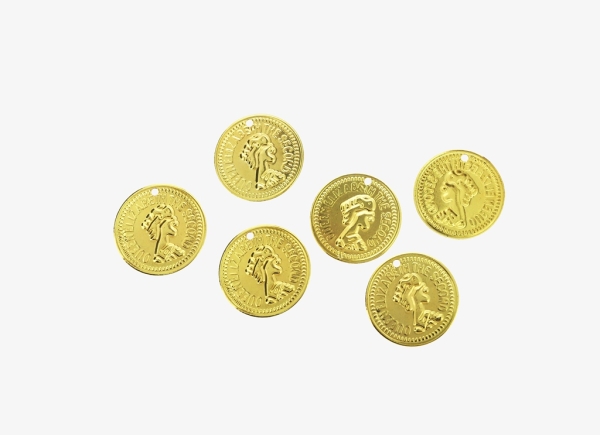
METAL ELEMENTS - IMITATION COIN FOR JEWELRY - 15mm - MODEL 02 - GOLD COLOR - NICKEL FREE - 1000pcs. Hole-1.5mmCode: 2207000006-1Price: €6.75
In stock
-
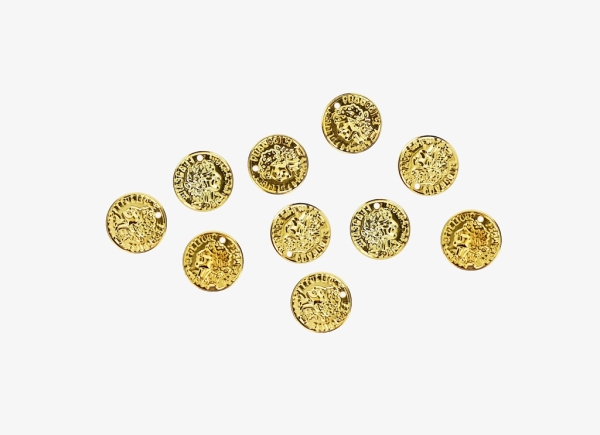 METAL ELEMENTS - IMITATION COIN FOR JEWELRY - 15mm - MODEL 02 - GOLD COLOR - NICKEL FREE - 100pcs. Hole-1.5mmCode: 2207000006-8Price: €1.01
In stock
-
METAL ELEMENTS - IMITATION COIN FOR JEWELRY - 20mm - MODEL 03 - GOLD COLOR - NICKEL FREE - 500pcs. Hole-1.5mmCode: 2207000020-1Price: €4.66
In stock
-
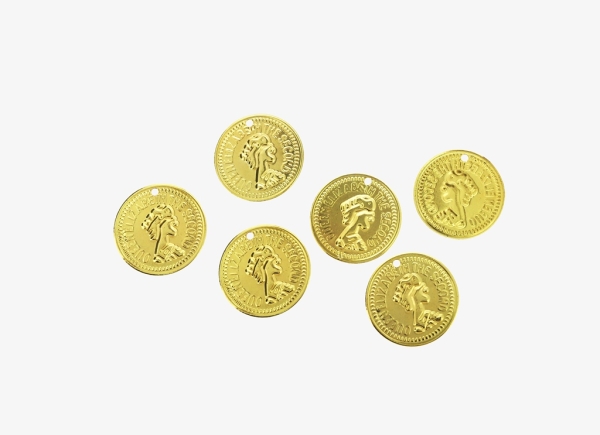 METAL ELEMENTS - IMITATION COIN FOR JEWELRY - 20mm - MODEL 03 - GOLD COLOR - NICKEL FREE - 50pcs. Hole-1.5mmCode: 2207000020-8Price: €0.83
In stock
-
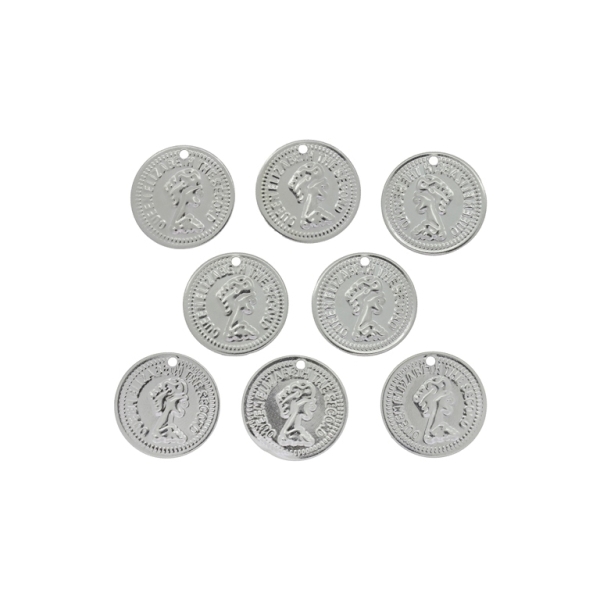
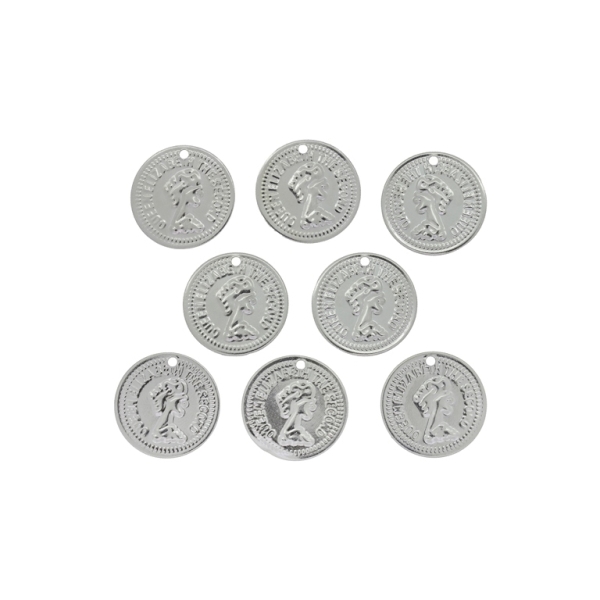 METAL ELEMENTS - IMITATION COIN FOR JEWELRY - 20mm - MODEL 03 - NICKEL COLOR - NICKEL FREE - 50pcs. Hole-1.5mmCode: 2207000025-8Price: €0.83
In stock
-
METAL ELEMENTS - IMITATION COIN FOR JEWELRY - 20mm - MODEL 03 - NICKEL COLOR - NICKEL FREE - PACKAGE 500pcs. Hole-1.5mmCode: 2207000025-1Price: €4.66
In stock
-
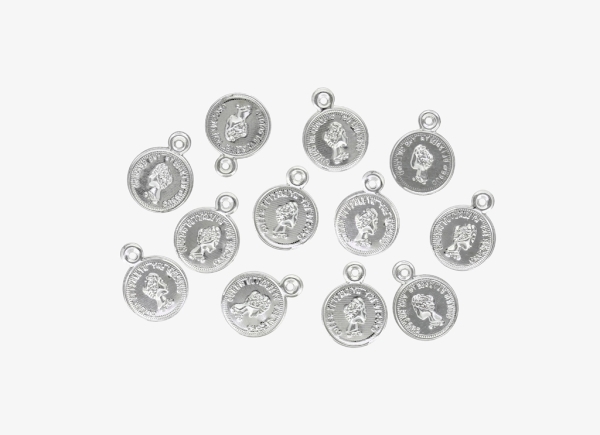
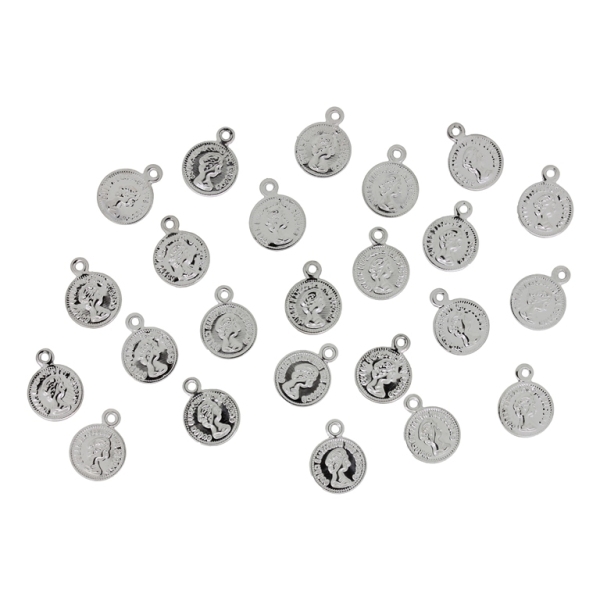 METAL ELEMENTS - IMITATION COIN FOR JEWELRY WITH RING - 10mm - MODEL 03 - NICKEL COLOR - NICKEL FREE - 100pcs. Hole-1.5mmCode: 2207000023-8Price: €0.71
In stock
-
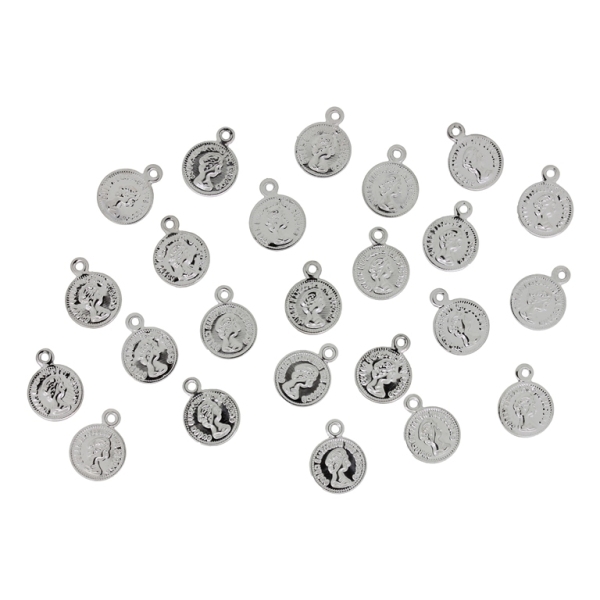 METAL ELEMENTS - IMITATION COIN FOR JEWELRY WITH RING - 10mm - MODEL 03 - NICKEL COLOR - NICKEL FREE - PACKAGE 1000pcs. Hole-1.5mmCode: 2207000023-1Price: €3.83
In stock
-
METAL ELEMENTS - IMITATION COIN FOR JEWELRY WITH RING - 13mm - MODEL 03 - NICKEL COLOR - 1000pcs. Hole-1.3mmCode: 2207000022-1Price: €6.44
In stock
-
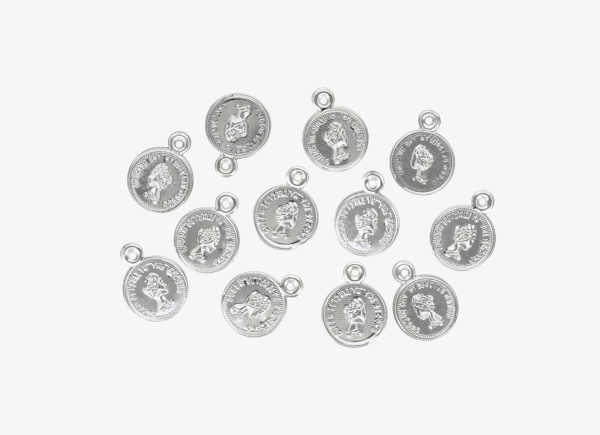 METAL ELEMENTS - IMITATION COIN FOR JEWELRY WITH RING - 13mm - MODEL 03 - NICKEL COLOR - 100pcs. Hole-1.3mmCode: 2207000022-8Price: €0.92
In stock
-
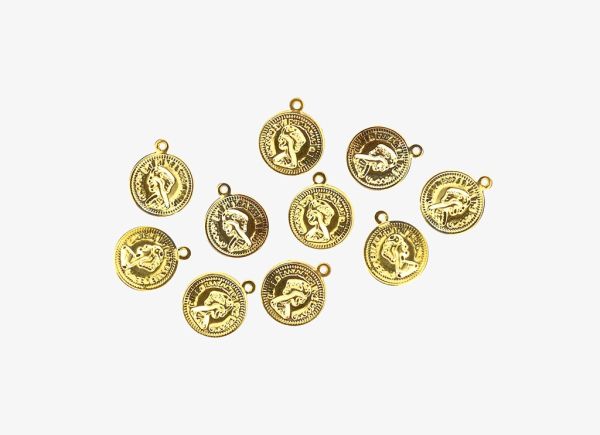
METAL ELEMENTS - IMITATION COIN FOR JEWELRY WITH RING - 15mm - MODEL 03 - GOLD COLOR - NICKEL FREE - 1000pcs. Hole-1.5mmCode: 2207000004-1Price: €7.67
In stock
-
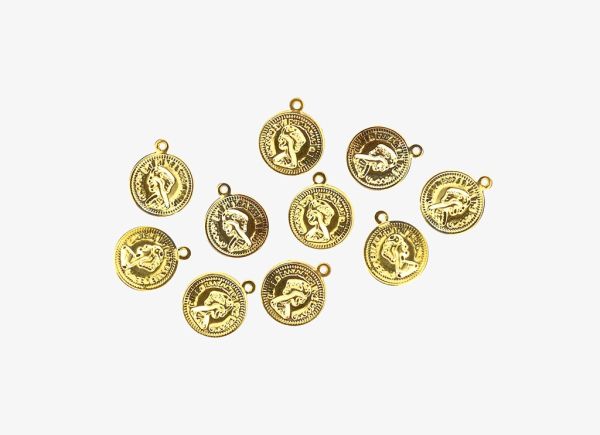 METAL ELEMENTS - IMITATION COIN FOR JEWELRY WITH RING - 15mm - MODEL 03 - GOLD COLOR - NICKEL FREE - 100pcs. Hole-1.5mmCode: 2207000004-8Price: €1.14
In stock
-
METAL ELEMENTS - IMITATION COIN FOR JEWELRY WITH RING - 15mm - MODEL 03 - NICKEL COLOR - NICKEL FREE - 1000pcs. Hole-1.5mmCode: 2207000003-1Price: €7.67
In stock
-
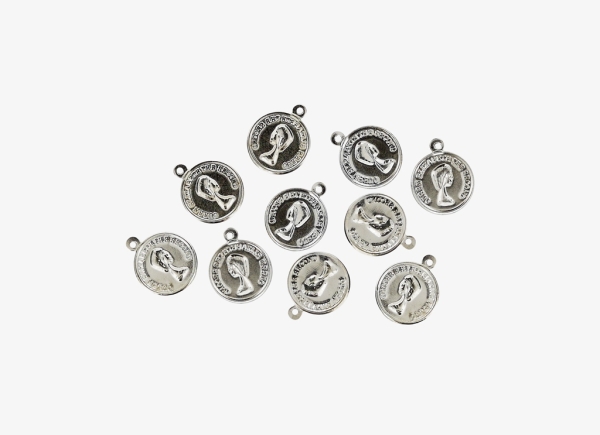 METAL ELEMENTS - IMITATION COIN FOR JEWELRY WITH RING - 15mm - MODEL 03 - NICKEL COLOR - NICKEL FREE - 100pcs. Hole-1.5mmCode: 2207000003-8Price: €1.14
In stock
-
METAL ELEMENTS - IMITATION COIN FOR JEWELRY WITH RING - 18mm - MODEL 02 - GOLD COLOR - 1000pcs. Hole-1.5mmCode: 2207000016-1Price: €7.67
In stock
-
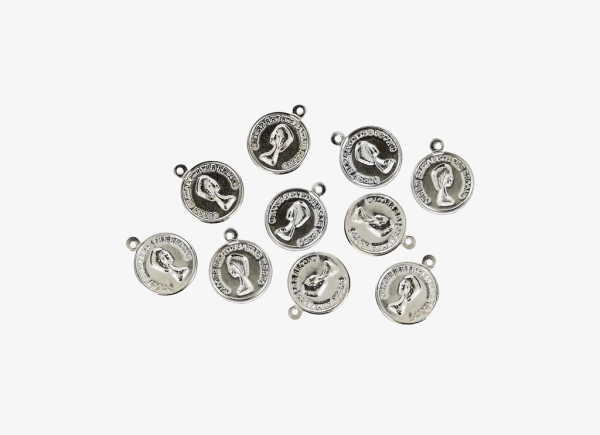 METAL ELEMENTS - IMITATION COIN FOR JEWELRY WITH RING - 18mm - MODEL 02 - GOLD COLOR - 100pcs. Hole-1.5mmCode: 2207000016-8Price: €1.14
In stock
-
METAL ELEMENTS - IMITATION COIN FOR JEWELRY WITH RING - 18mm - MODEL 02 - NICKEL COLOR - 1000pcs. Hole-1.5mmCode: 2207000015-1Price: €6.75
In stock
-
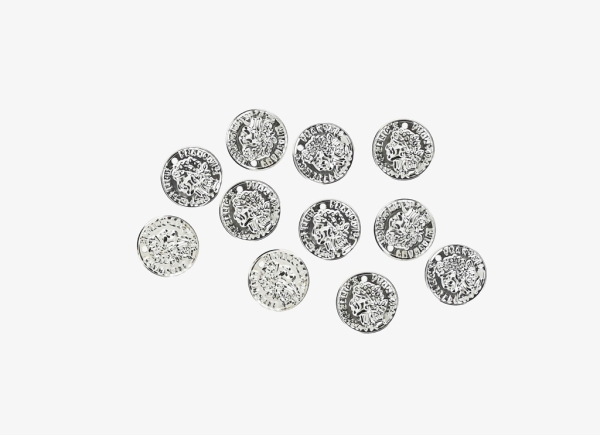 METAL ELEMENTS - IMITATION COIN FOR JEWELRY WITH RING - 18mm - MODEL 02 - NICKEL COLOR - 100pcs. Hole-1.5mmCode: 2207000015-8Price: €1.01
In stock
-
METAL ELEMENTS - IMITATION COIN FOR JEWELRY WITH RING - 20mm - MODEL 03 - GOLD COLOR - NICKEL FREE - 500pcs. Hole-1.5mmCode: 2207000019-1Price: €4.97
In stock
-
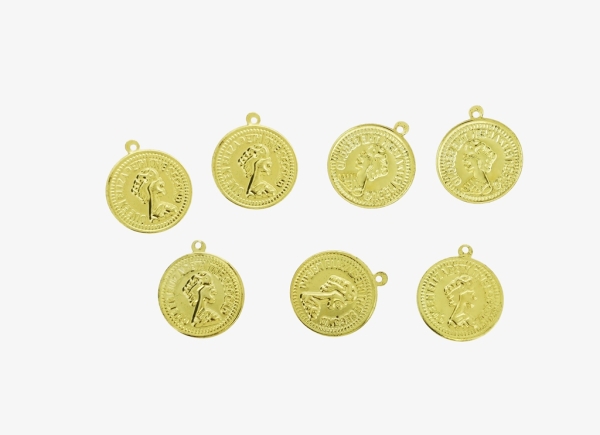 METAL ELEMENTS - IMITATION COIN FOR JEWELRY WITH RING - 20mm - MODEL 03 - GOLD COLOR - NICKEL FREE - 50pcs. Hole-1.5mmCode: 2207000019-8Price: €0.92
In stock
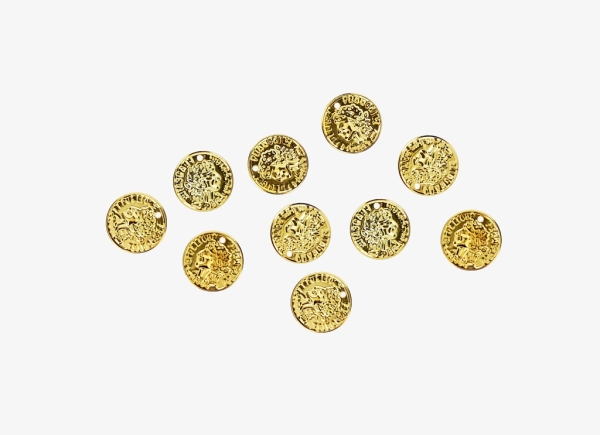
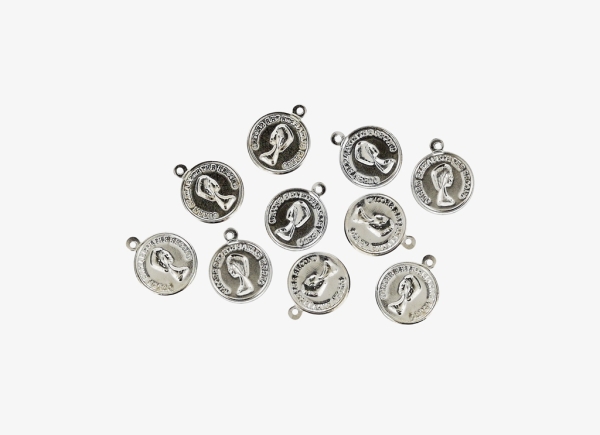
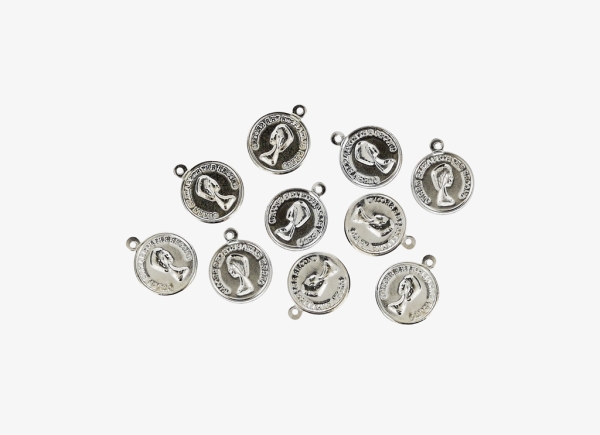
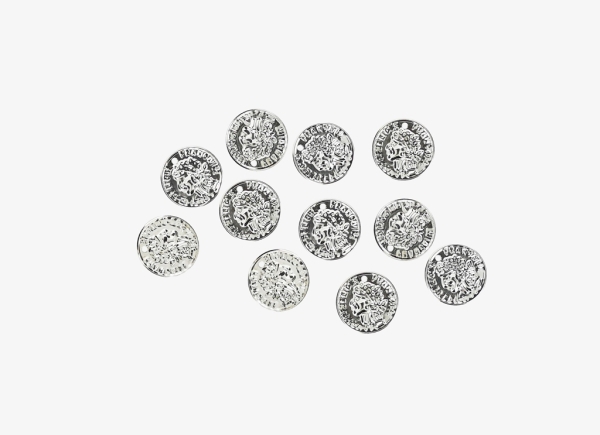
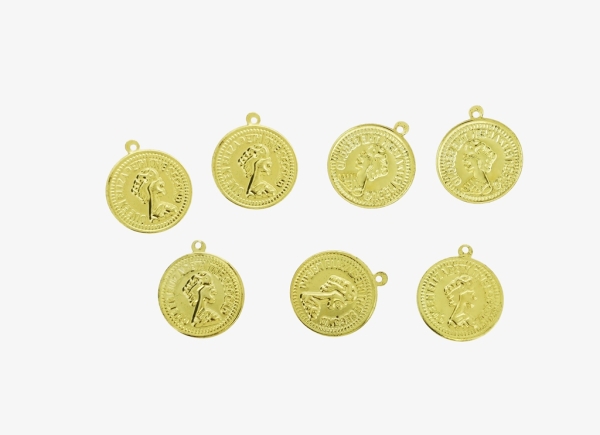
Bijuland is a wholesale bead and craft materials supplier based in Plovdiv, Bulgaria. The Imitation Coins for Jewellery category (паричка — parichka) covers decorative metal coin-shaped pendant elements used in jewellery making — within the broader Metal Elements and Findings section. Wholesale and retail purchase available, with shipping across Bulgaria and Europe.
What are imitation coins for jewellery?
Imitation coins for jewellery (паричка — parichka, literally "small coin") are flat metal disc elements stamped, embossed, or pressed with decorative coin-like designs — portrait profiles, floral or geometric patterns, symbolic motifs, or faux ancient and ethnic designs — with a small hole at the top or an integral loop that allows them to be hung from a chain, cord, or jump ring as a pendant or charm. They are not actual currency and carry no monetary value — they are purely decorative components that evoke the visual character of historical, ancient, or ethnic coins as a jewellery element. The coin format — circular, flat, metal, with relief decoration on the face — has a long history in jewellery across many cultures: ancient Greek and Roman coins were strung as pendants; Ottoman and Middle Eastern gold coin jewellery was worn as status and wealth display; and belly dance costume jewellery (корем танц — korem tants) uses rows of coin elements that catch light and produce a distinctive chinking sound as the dancer moves. Imitation coin elements are produced in gold-plated (позлатена — pozlatena) and silver-plated (посребрена — posrebren) finishes, in various diameters, and in a range of decorative designs from simple smooth faces to highly detailed embossed patterns.
How are imitation coins used in jewellery?
Imitation coin elements are used across several jewellery and costume contexts. In belly dance jewellery and costume (бижута за корем танц — bizhuta za korem tants), coins are the defining decorative element — sewn or hung in rows on hip belts, bra tops, head pieces, and arm cuffs where they catch light and produce sound as the costume moves. In bohemian and ethnic jewellery, a single large coin pendant hung on a cord or chain necklace creates a statement focal piece with the visual language of ancient or global folk jewellery. In charm bracelets and layered necklaces, smaller coin charms are added alongside other pendants to contribute a metallic coin element to a mixed charm design. In decorative fringe and tassel jewellery, multiple coins are strung or hung in rows to create a fringe that moves and catches light. Bijuland ships from Plovdiv, Bulgaria and supplies jewellery makers, belly dance costume suppliers, craft studios, and bead resellers across Bulgaria and Europe.